☰
Answer: RBC (Read-Bill-Collect) Kaptech relies on physical submeters to accurately measure the exact water usage of every unit. Tenants are invoiced and billed for the water, sewer and service charges they actually use. RBC is fair, legally preferred in most jurisdictions and auditable with daily and monthly reports of the actual meter readings.
Answer: We quote you discounted direct from Badger pricing. We also offer Zero of our pocket financing for the meters and installation. Financing is tied to the monthly subscription costs on the same invoice. You can recover the cost through a fixed monthly uplift on your per-unit RBC fee over a 7-10 year term. Most owners are cash-flow positive from the very first billing cycle.
Answer: Immediate. Because Kaptech can finance the hardware into your monthly fee, your out-of-pocket cost is near zero. When tenants begin paying for their own water, your community’s net operating income (NOI) instantly increases. Even if you choose to buy the meters upfront, the average property owner recovers their hardware investment in less than 12 months.
Answer: Yes. Statistics show that when tenants are financially responsible for their own water, property-wide consumption drops by up to 40%. Tenants take shorter showers, report running toilets immediately, and stop wasting water, which drastically lowers your master utility bill.
Answer: Absolutely. Kaptech is built for modern real estate operators. Our SaaS platform pushes billing data directly into industry-leading property management systems like Rent Manager. There is no manual data entry—the charges simply appear on your tenants' monthly ledgers. You can also MAP your automatic monthly billing report directly to your software.
Answer: Kaptech meters transmit water data multiple times a day via a secure cellular connection. If our system detects continuous 24 hours of water flow (like a running toilet) our software instantly triggers an automated leak alert to your maintenance team or tenant via the Kaptech Portal, preventing catastrophic water damage and massive utility bills. Automatic gush alerts are also available.
Answer:
AMR (Automated Meter Reading)
Answer: Yes. Manufactured Housing and Mobile Home Communities are one of our core specialties. Depending on your temperature zone you will decide on alloy or poly meters. Not-so-perfect water conditions are no problem for Ultrasonic meters with no moving parts. Submetering an MHC is the fastest way to stop paying for tenant water leaks and dramatically increase the valuation of your park.
Answer: By adding your tenant to leak alerts you might be able to avoid issue in the first place. Kaptech provides a resident-facing portal. If a tenant has a question about a spike in their water bill, they they can first just login to the portal, not your leasing office and see the daily every 15 minute water flow and also see it on a dashboard graph. You can pull up their exact daily flow usage reports to prove to them where the issue may be. You can also add your property managers email for leak alerts to stay ahead of any issues..
Answer: State/City Mandates: new construction and retro fits due to water conservation laws.
Cost risk: If water/sewer rates or usage go up after rents are set, the owner eats the entire increase when utilities are bundled into rent. Constant reconciliation on rent charges.
Increase NOI: When you cut utility use and implement a revenue recapture program for utility costs, you lower expenses and raise NOI, boosting the Cap Rate, which increases the property’s overall value.
Tenant Fairness: Flat, “utilities included” rent means low use residents subsidize high use residents, which drives complaints.
Conservation and leaks: When residents are measured and billed studies show they use up to 40% less water.
Mo/Subscription Fee: Can pass the monthly subscription fee to the tenants within the lease agreement or addendums (*see state specific rules how)
Answer: RUBS (Ratio Utility Billing System) is an estimate based on square footage or occupancy. While RUBS requires no hardware, it often leads to tenant disputes and provides zero incentive to conserve water. RBC is fair, dispute-free, and legally preferred in most jurisdictions. In fact some states are outlawing RUBS and want property owners to bill based on actual water consumpotion.
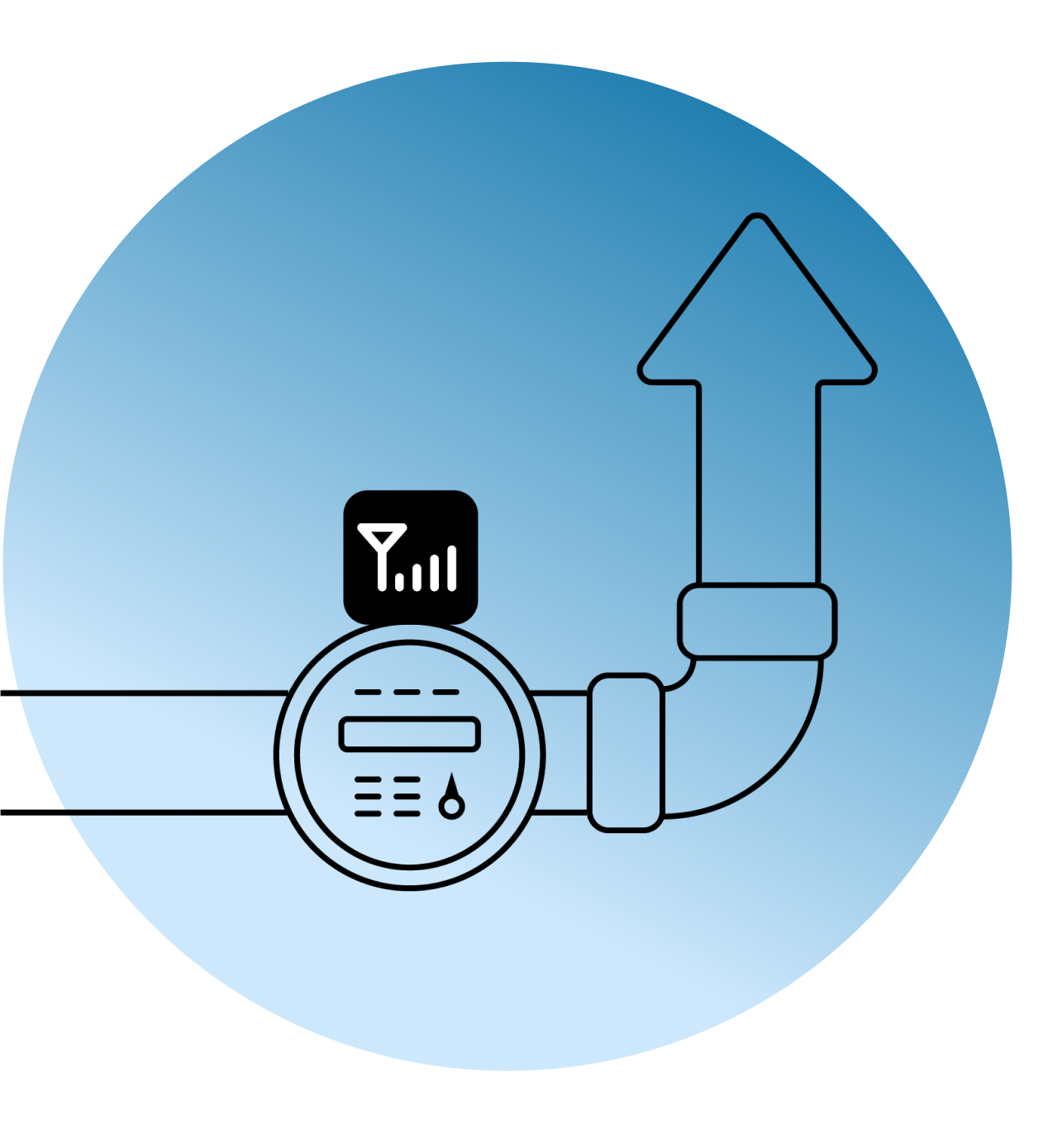
Let Kaptech Water Submetering show you and your team how water submetering can deliver increased tenant fairness, NOI and water conservation for your property. Shift the financial responsibility for water to your tenants!