☰
Water is one of the largest and least controlled operating expenses in many multifamily properties. When an owner pays one master water bill, every apartment’s use, leak, and waste pattern becomes an expense that can erode net operating income. Multifamily water submetering gives owners unit-level visibility by measuring water consumption at or near each apartment. Instead of relying on estimates, flat fees, or allocation formulas, a water submetering system creates a record of actual—or, depending on design, more precisely attributable—usage. That distinction can improve resident confidence, support conservation, and help property teams identify abnormal consumption before it becomes a larger problem. It also gives asset managers a clearer operating picture for budgeting, benchmarking, and capital planning. For residents, a properly communicated submetering program can create a more understandable connection between water use and monthly utility charges. For owners, it can shift water from a vague master-meter expense into a manageable utility-recovery and conservation strategy. Installation does require planning because plumbing layouts, local requirements, meter specifications, communications technology, billing workflows, and resident notices all matter. The right approach is not merely installing water meters for apartments; it is designing a complete read-bill-collect process that fits the property. A strong multifamily utility billing program should make consumption data useful to residents, onsite teams, and ownership—not create a new administrative burden. This guide explains how apartment water submeters work, how to evaluate a property, and how to pursue a compliant, resident-centered path to stronger NOI.

A master meter measures all water entering a property from the utility. A water submeter measures usage downstream, typically for an individual apartment, townhome, building, amenity, irrigation zone, laundry room, or other defined load. The meter sends or stores consumption readings, which become the foundation for resident utility billing, water-use analytics, and leak investigation.
For a typical apartment water submetering project, the process has five connected parts: property evaluation, meter and communication selection, plumbing installation, data collection, and resident billing. The meter hardware alone is not the entire solution. Owners should also determine how reads will be validated, how sewer charges will be handled, how common-area usage will be treated, how resident questions will be answered, and how delinquency or payment processing will fit within the property’s existing operations.
Kaptech’s Read-Bill-Collect model is designed around that full workflow. The objective is to help owners move from “we receive a master bill” to “we have timely, actionable, unit-level water information and a manageable billing process.” That distinction can reduce manual work while giving property teams more visibility into consumption and exceptions.
The financial case for water submetering is not simply about passing through a bill. It is about creating better alignment. Under a flat water fee, residents who use less water may pay the same as residents with higher use, while the property absorbs the cost of waste and leaks. Under a properly designed metered program, residents can see a clearer relationship between use and charges, while ownership gains data to manage the remaining common-area and operational consumption.
That visibility can also change behavior. A resident who notices a higher-than-normal water charge can check for a running toilet, dripping fixture, or other issue. A property manager who sees persistent overnight flow or a sudden consumption spike can investigate before a small problem turns into a large water or damage event. The operational benefit is often as important as the billing benefit because unmanaged leaks and invisible waste can affect both utility expense and maintenance cost.
The NOI opportunity should be evaluated property by property. A complete financial model considers recoverable utility expense, anticipated water-use changes, meter and installation costs, billing and collection costs, vacancy, bad debt, common-area consumption, local utility rate structure, and state-specific rules. Owners should avoid treating any savings or recovery percentage as automatic. Instead, use actual master-bill history and property conditions to build a conservative, documented business case.
A successful water submeter installation begins with a site assessment. The assessment should identify whether each unit has a reasonably accessible, separately traceable cold-water supply line; whether meter locations are serviceable; the pipe materials and sizes; available power or battery requirements; signal conditions; and any constraints created by risers, slab construction, walls, ceilings, or occupied units. Older assets may require more creative retrofitting than newer properties designed with individual plumbing branches.
Meter selection should reflect the intended purpose. Owners may need to consider accuracy requirements, applicable certification requirements, environmental conditions, maintenance access, expected flow range, remote-read technology, battery life, tamper indicators, and integration with the billing platform. For billing applications, property owners should verify the meter type and certification requirements applicable to their state and jurisdiction rather than assuming one specification works everywhere.
Finally, water submetering must be paired with a documented compliance and resident-communication process. Review lease language, notices, billing timing, permitted fees, charge calculations, dispute procedures, common-area treatment, record retention, and any required local registrations before launch. A qualified submetering provider can help structure the operational program, but property owners should obtain legal guidance for the jurisdictions in which they bill residents.
Ready to see whether your property is a fit for multifamily water submetering? Request a Property Water Assessment from Kaptech.
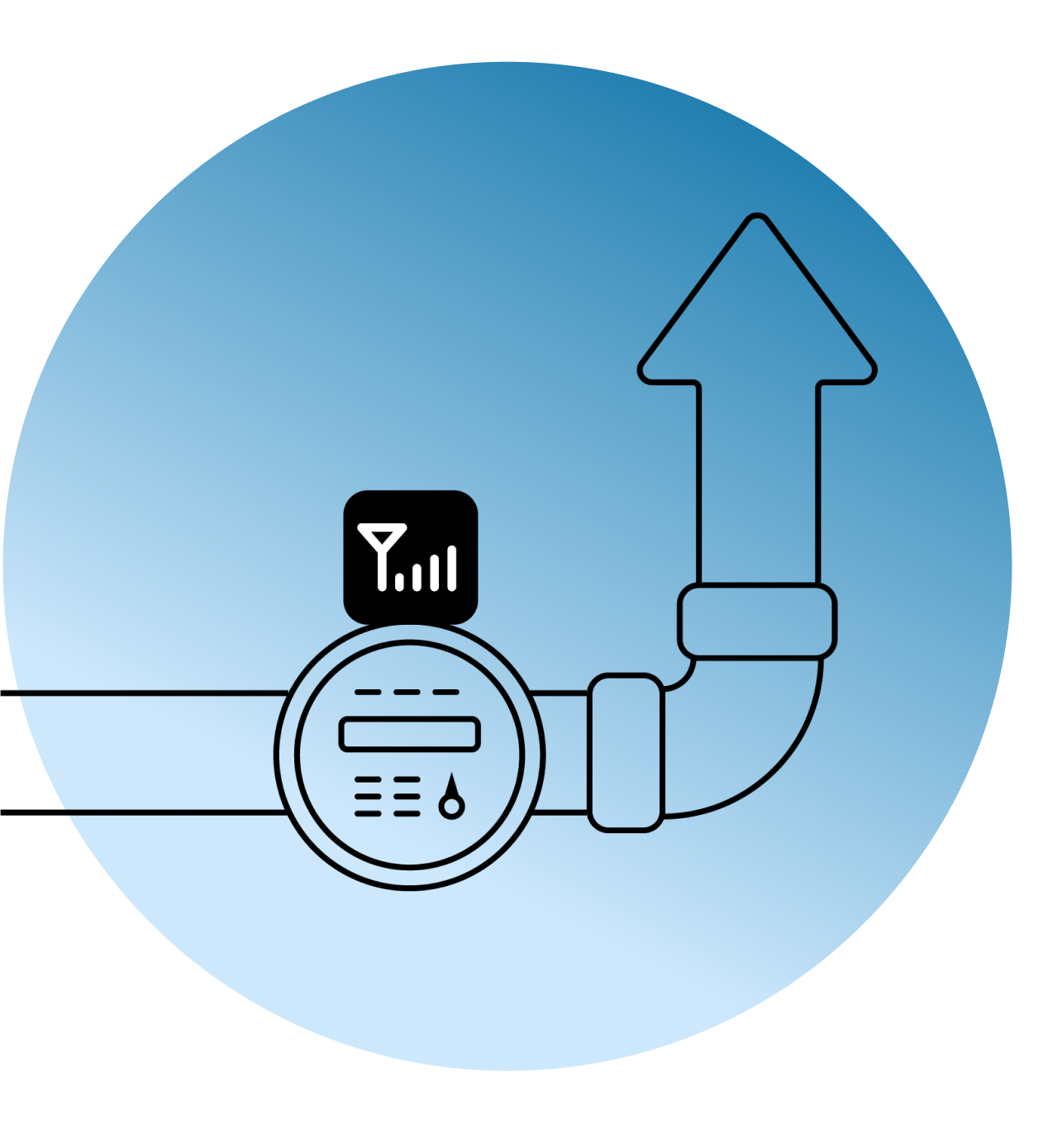
Let Kaptech Water Submetering show you and your team how water submetering can deliver increased tenant fairness, NOI and water conservation for your property. Shift the financial responsibility for water to your tenants!