☰
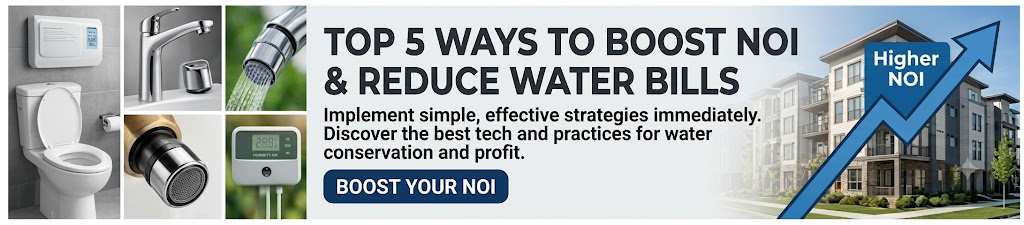
Improving net operating income does not always require a major renovation or rent increase. In many multifamily properties, water expense is one of the most immediate opportunities to improve operating performance because it combines utility cost, maintenance risk, resident behavior, and billing strategy. The challenge is that a master water bill rarely shows where the money is going. It tells an owner the total consumption and charges for the property, but it does not identify which building, unit, fixture, irrigation zone, or operating practice is driving the expense. That makes water management feel reactive rather than strategic. The most effective multifamily water conservation plans use a combination of measurement, maintenance, resident communication, and billing discipline. A smart water meter or water monitoring system can give teams better data, but technology works best when it is connected to a defined operational response. The goal is not to chase every gallon or burden site staff with more alerts. The goal is to identify the highest-value actions, reduce preventable waste, and make water costs more visible. For owners, that can mean lower consumption, fewer surprise bills, improved cost recovery where permitted, and better asset protection. For residents, it can mean faster repairs, clearer utility charges, and a more responsive living environment. Here are five practical strategies to reduce multifamily water bills and strengthen NOI.
You cannot manage a utility expense you have not measured. Begin by collecting at least 12 months of water and sewer invoices, then map total monthly charges, consumption, occupancy, weather patterns, irrigation use, and unusual maintenance events. This establishes a baseline that allows management to see whether rising expense reflects higher utility rates, higher consumption, or both.
The EPA’s WaterSense Multifamily Water Score can help owners benchmark a property’s water performance against similar buildings, while its assessment worksheets help inventory water-using fixtures, appliances, systems, and management practices. That makes benchmarking a useful starting point for identifying whether a property needs closer investigation.
Once the baseline exists, set practical targets: reduce unexplained overnight flow, reduce leak-response time, improve resident utility recovery where allowed, or lower gallons per occupied unit. A baseline turns vague concern about “high water bills” into a measurable operating plan.
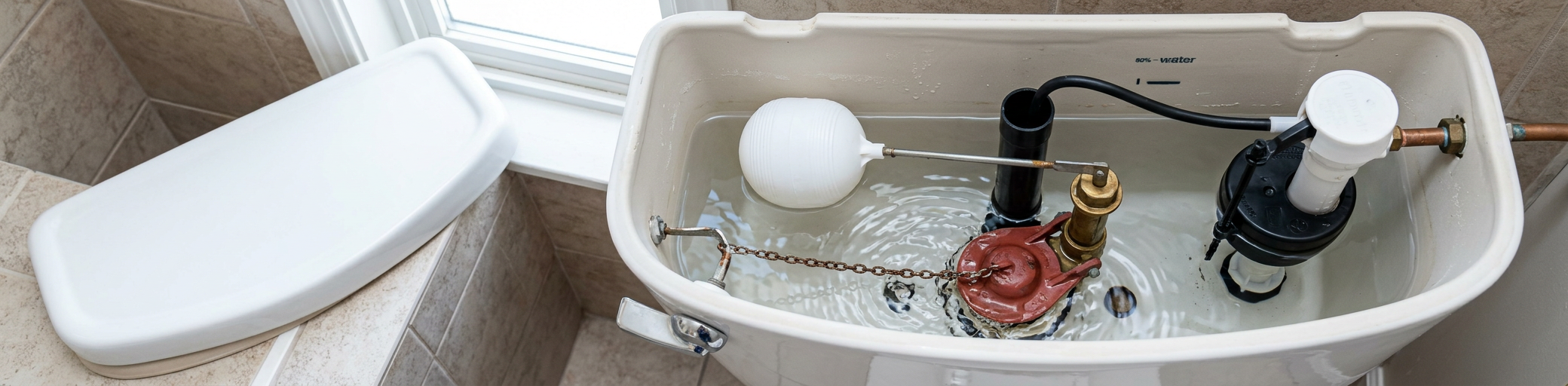
Leaks are often the fastest route to wasted water because they can continue 24 hours a day. A running toilet, failed fill valve, drip, broken irrigation component, or appliance issue may be easy to miss in a master-metered property. Maintenance teams need a simple method to identify potential problems, prioritize them, document repairs, and verify whether consumption returned to normal. Focus first on the highest-risk areas: toilets, irrigation systems, domestic hot-water systems, mechanical rooms, laundry areas, vacant units, and units with unusual usage patterns. For a property with unit-level meter data, unexpected continuous flow or a sudden change from historical patterns can trigger investigation earlier than a month-end utility invoice. The maintenance process matters as much as the alert. Define who receives the notice, what threshold creates a work order, how residents are contacted, how repairs are documented, and how the property confirms resolution. Smart metering and leak detection should shorten the time between a problem starting and a team taking action.
Low-flow fixtures, efficient toilets, pressure management, irrigation controls, routine valve inspections, and preventive maintenance can reduce water use when selected and installed correctly. Prioritize upgrades based on condition and expected impact rather than replacing everything at once. For example, a building with recurring toilet failures may get more value from a targeted toilet and fill-valve program than from a broad but unfocused fixture campaign.
Operational habits also matter. Check irrigation schedules against seasonality and weather, inspect common-area restrooms, monitor amenity buildings, establish a vacant-unit inspection process, and ensure maintenance teams know how to identify a toilet that runs intermittently. These practices cost less than an emergency repair and can protect both water budgets and resident satisfaction. The EPA recognizes WaterSense-labeled homes as at least 30% more water-efficient than comparable typical new construction, reflecting the value of efficient fixtures, leak testing, and whole-home water performance in appropriate applications.
A smart water meter makes consumption data available more quickly than a manual reading process. For multifamily owners, that can support water-use monitoring, apartment-level visibility, billing-read validation, and earlier leak investigation. It can also help distinguish common-area use from residential use when meters are deployed strategically. The value is not simply “more data.” The value is decision-ready data. A property team should be able to see which units or areas need attention, compare consumption over time, and act on exceptions without manually assembling spreadsheets. Select a platform that fits your operating model, whether the priority is billing, leak alerts, remote reading, asset management, or integration with property-management workflows.
When state and local rules allow, measured resident billing can improve cost recovery and support a more transparent relationship between use and charges. A water submetering system records unit consumption so that the resident billing process can be based on documented meter data rather than a blanket flat fee. That may help create stronger accountability and reduce owner exposure to resident-controlled usage.
Billing must always be designed around compliance. Review utility charges, local tariff or utility rules, meter requirements, lease language, billing disclosures, fee restrictions, common-area treatment, resident dispute procedures, and tax implications before implementation. The best program is not merely recoverable—it is understandable, consistently administered, and defensible.
See which five actions will have the greatest impact at your property. Request a Kaptech Water Efficiency and NOI Assessment.
Let Kaptech Water Submetering show you and your team how water submetering can deliver increased tenant fairness, NOI and water conservation for your property. Shift the financial responsibility for water to your tenants!